Problems With TMJ Pain

The jaw joint, muscles, and related structures involved in jaw movement can be affected by temporomandibular disorders, often called TMD or TMJ problems. Symptoms range from mild and occasional pain to persistent and uncomfortable. Some people experience jaw pain, while others notice clicking or popping during movement. Limited jaw movement may also make normal activities more difficult. Clicking or popping alone does not always cause discomfort or interfere with function. When TMJ symptoms become painful or begin limiting jaw movement, an evaluation from a chiropractor can help identify factors that may be contributing to the problem.

TMJ disorders can affect the way the jaw moves and may involve tension in the muscles surrounding the joint. Because the jaw relies on coordinated movement between the joint and nearby muscles, changes in these structures can contribute to discomfort or restricted motion. Conservative care focuses on addressing symptoms without making permanent changes to the teeth or jaw. Manual techniques may be used to work with muscles and soft tissues around a joint and support improved movement. The specific approach varies depending on the symptoms, their severity, and how much they interfere with normal jaw function.

A chiropractor evaluates TMJ discomfort from a musculoskeletal perspective by examining jaw movement and the surrounding muscles and joints. Chiropractic care may focus on reducing muscle tension, improving mobility, and supporting more comfortable jaw function. An individualized approach considers the location of discomfort and whether restricted movement is affecting everyday activities. Conservative chiropractic care is then adjusted according to the patient’s symptoms and response to treatment. If persistent TMJ pain or limited jaw movement is interfering with your daily comfort, it is suggested that you consult a chiropractor for an evaluation and appropriate care options.

TMJ: Temporomandibular Join Disorders

Temporomandibular Joint, or TMJ disorders, affect the hinge connecting the jaw to the skull, leading to pain and difficulty with jaw movement. Common causes include teeth grinding, jaw clenching, injury, or arthritis. Symptoms often include jaw pain, clicking or popping sounds when opening the mouth, headaches, and difficulty chewing. If left untreated, TMJ disorders can significantly impact daily activities, including eating and speaking.

Managing TMJ disorders typically involves lifestyle adjustments, such as stress reduction to minimize clenching and grinding, along with gentle jaw exercises to improve mobility. In some cases, wearing a night guard may help protect the joint from further strain.

Chiropractic care offers a unique approach to TMJ relief by focusing on the alignment of the jaw and neck. Chiropractors use gentle adjustments to reduce tension in the surrounding muscles and improve joint function. Techniques like myofascial release may be applied to alleviate tightness in the face and jaw area. By addressing related spinal or muscular imbalances, chiropractic care helps reduce pain and promote overall jaw health.

1. Can TMJ problems cause dizziness or vertigo?

Yes, TMJ dysfunction can affect the inner ear through muscle tension or nerve involvement, leading to balance issues or dizziness. Chiropractic adjustments to the neck and jaw can address alignment issues that contribute to dizziness.

2. Can chewing on one side worsen TMJ disorders?

Yes, consistently chewing on one side can overwork one side of the jaw, leading to imbalances and further TMJ issues. A chiropractor can restore balance to the jaw and surrounding muscles, reducing the impact of uneven chewing.

For additional information, please contact our office located in Zephyrhills, FL . 
 

Read more about TMJ: Temporomandibular Joint Disorders

Types of Workplace Falls

Workplace falls can happen in offices, construction areas, and warehouses. A slip occurs when a person loses traction, while a trip happens when the foot catches on an object or uneven surface. These accidents can cause sprains, strains, and other musculoskeletal injuries. A sprain develops when ligaments supporting a joint are stretched or torn. Common symptoms include pain, swelling, and difficulty bearing weight. Fractures involve a partial or complete break in a bone and may cause severe pain, swelling, or difficulty walking.

Several workplace conditions can increase the risk of falling. Wet floors, poor lighting, and wearing unsuitable footwear can make walking areas hazardous. A chiropractor can evaluate injuries after a fall by reviewing how the accident occurred and performing a physical examination. The chiropractor may assess posture, joint movement, and areas of tenderness. If a fracture or another serious injury is suspected, diagnostic imaging may be recommended before chiropractic care continues.

For appropriate soft-tissue and joint injuries, chiropractic treatment may focus on reducing discomfort and improving movement. Depending on the injury, care can include gentle chiropractic adjustments, mobilization techniques, and supportive recommendations. A chiropractor may also provide guidance about activity modification while the injured area heals. More serious workplace injuries may require referral for additional medical care.

Getting evaluated after a workplace fall can help identify the source of pain and determine an appropriate treatment plan. Prompt care is especially important when swelling is severe, pain is worsening, or walking becomes difficult. Following professional recommendations can support recovery and help restore normal movement. Preventive steps such as keeping walkways clear and wearing suitable footwear may also reduce future fall risks. If you have sustained a workplace fall or injury, it is suggested that you consult a chiropractor for effective relief and treatment solutions.

Work-related and personal injuries can significantly impact daily life, causing pain, reduced mobility, and prolonged recovery times. These injuries often result from repetitive movements, poor ergonomics, sudden accidents, or overexertion. Common issues include back and neck pain, joint sprains, muscle strains, and nerve compression, which can interfere with both professional and personal activities.

Chiropractic care provides an effective, non-invasive approach to managing and recovering from these injuries. Chiropractors focus on addressing the root causes of pain and dysfunction, such as misalignments in the spine or joint imbalances. Through targeted adjustments, they help restore proper alignment, improve mobility, and reduce inflammation. Additional therapies, like soft tissue techniques and personalized exercise plans, are often included to support healing. By emphasizing overall structural balance, chiropractic care not only alleviates symptoms but also promotes long-term health and injury prevention.

1. Why do minor personal injuries sometimes lead to chronic pain?

Untreated injuries can result in compensatory movements, scar tissue, and lingering inflammation, which contribute to chronic pain. Chiropractic adjustments can address underlying misalignments and help prevent minor injuries from becoming long-term issues.

2. Why does my injury feel worse after physical activity?
Weakness in supporting muscles or incomplete healing can cause an injury to flare up with physical activity. Chiropractors can provide tailored exercises and adjustments to strengthen supporting structures and reduce strain.

For additional information, please contact our office located in Zephyrhills, FL . 

 

Read more about Work-Related and Personal Injuries

When an Ankle Sprain Causes Lasting Pain

Ankle pain can make walking, standing, and other daily movements uncomfortable. One frequent source of ankle pain is a sprain, which occurs when the ligaments supporting the ankle are stretched or torn. Ligaments are strong bands of tissue that connect bones and help keep a joint stable. An ankle sprain often happens when the foot twists or rolls unexpectedly, forcing the joint beyond its normal position. Symptoms may include pain, swelling, and bruising around the injured area. Some people may also have difficulty moving the ankle or putting weight on the affected foot. The severity of these symptoms can depend on how much ligament damage has occurred.


Ankle sprains can range from mild stretching of the ligaments to more serious tears. A severe injury may make the ankle feel unstable or prevent normal movement. In some cases, an ankle injury may involve more than a sprain. A broken bone or significant ligament damage can produce similar symptoms and may require additional medical care. Severe pain or an inability to walk can indicate that the injury needs further evaluation. Ankle injuries that do not heal properly may also contribute to ongoing discomfort or repeated problems with stability. For these reasons, identifying the extent of an ankle injury is important when determining appropriate treatment.


A chiropractor can evaluate certain types of ankle pain by examining joint movement and areas of discomfort. The assessment can help determine how the injury has affected mobility and whether chiropractic care is appropriate. Depending on the injury, care may focus on supporting normal joint function and addressing movement problems that remain after a sprain. If ankle pain is persistent, severe, or interfering with your ability to walk comfortably, it is suggested that you consult a chiropractor for an evaluation and appropriate treatment options.

Ankle pain is a common problem that can significantly disrupt daily life, often stemming from injuries, overuse, or underlying conditions like arthritis. Sprains, where ligaments are overstretched or torn, are among the most frequent causes, leading to swelling, stiffness, and difficulty bearing weight. Overuse injuries such as tendonitis, caused by repetitive strain, can create persistent discomfort, while misalignment in the joint or biomechanical imbalances in the foot or leg may contribute to chronic pain.
If left untreated, these issues can lead to improper healing, reduced mobility, and a higher risk of re-injury.
Addressing the underlying cause is critical for restoring function and preventing long-term complications. Chiropractic care offers a natural approach to managing ankle pain, focusing on improving alignment, mobility, and overall function while supporting recovery through targeted therapies and exercises.
1. Will chiropractic treatment for ankle pain hurt?
Chiropractic treatments are designed to be gentle and tailored to each patient's comfort level. Adjustments and therapies are performed carefully to avoid causing pain, even in sensitive or swollen areas. Most patients report feeling relief and improved mobility after treatment, although some individuals may experience mild soreness, similar to the feeling after a workout, as the body adjusts.

2. How long does it take to see results from chiropractic care for ankle pain?
The timeline for improvement varies depending on the severity and cause of the pain. Some patients experience relief after just a few sessions, while chronic or complex cases may take longer to resolve.

If you have any questions, please feel free to contact our office located in Zephyrhills, FL . 
Read more about Ankle Pain

Arthritis Relief and Chiropractic Care

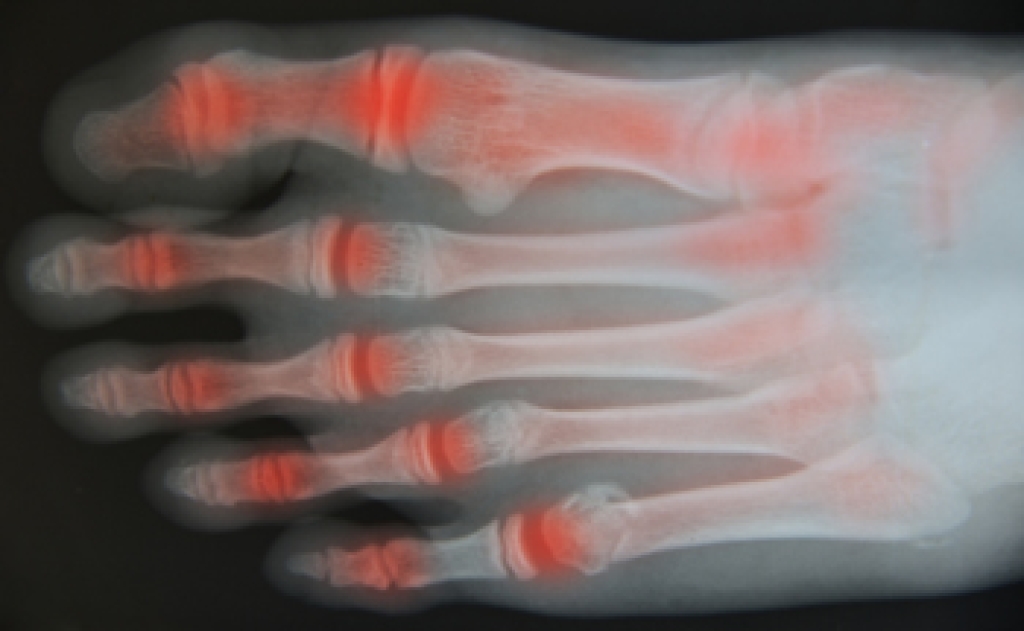
Arthritis can cause joint pain and stiffness that make everyday movement more difficult. The condition affects joints and can limit how comfortably a person walks, bends, or performs daily activities. Symptoms can become more noticeable after long periods of sitting or physical activity. Some patients also experience swelling around affected joints. Arthritis can affect different areas of the body, including the knees, hips, and hands. Staying active is important because movement can help reduce stiffness and strengthen the muscles that support weakened joints. However, treatment should consider the type of arthritis and the severity of the patient's symptoms.

A chiropractor can evaluate how arthritis is affecting movement and daily function. The examination can include checking joint movement, posture, and areas of tenderness. A chiropractor can also assess how nearby muscles and joints are working together. Changes in movement caused by a painful knee or hip can place added stress on other areas of the body. Chiropractic care does not reverse arthritis or restore damaged joint tissue. Instead, treatment can focus on improving comfortable movement and addressing muscle or joint problems that occur alongside arthritis. 

Chiropractic treatment for arthritis relief can vary according to the joints involved and the patient's overall health. Care can include gentle joint-movement techniques, soft-tissue therapy, and supervised exercises. Exercises provided by a chiropractor can help strengthen muscles that support affected joints and improve movement. Treatment can also address stiffness in nearby areas that could interfere with normal function. A chiropractor can adjust the approach when a joint is severely inflamed or damaged. The goal is to help patients maintain movement and manage physical problems associated with arthritis safely. If you have symptoms of arthritis, it is suggested that you schedule an appointment with a chiropractor for a diagnosis and appropriate treatment.

Arthritis Relief

Arthritis, a common condition affecting millions, causes inflammation, stiffness, and pain in the joints. It can make everyday activities challenging and significantly impact quality of life. While there is no cure for arthritis, chiropractic care offers a natural, non-invasive way to manage symptoms and improve joint function.

Chiropractors focus on enhancing joint mobility and reducing inflammation through gentle, targeted adjustments. By realigning the body and restoring proper movement, chiropractic care can help relieve the pressure on arthritic joints, alleviating pain and stiffness. Adjustments also support better circulation, which may help reduce inflammation around affected joints.

In addition to adjustments, chiropractors often recommend specific exercises and stretches to strengthen muscles surrounding the joints, improving stability and reducing stress on the joints over time. They may also advise on lifestyle adjustments, such as dietary changes or ergonomic modifications, to support overall joint health.

Why Consider Chiropractic for Arthritis?

Chiropractic care provides a holistic approach to managing arthritis, addressing not just the symptoms but also underlying issues that contribute to discomfort. With regular care, many arthritis patients experience improved mobility, reduced pain, and a higher quality of life. Chiropractic care can be an effective complement to other arthritis treatments, supporting a more active, comfortable lifestyle.

What Types of Arthritis Can Benefit from Chiropractic Care?

Chiropractic care can benefit both osteoarthritis and rheumatoid arthritis by focusing on reducing joint strain and promoting better movement.

If you have any questions, please feel free to contact our office located in Zephyrhills, FL . 

Read more about Arthritis
scroll to top